
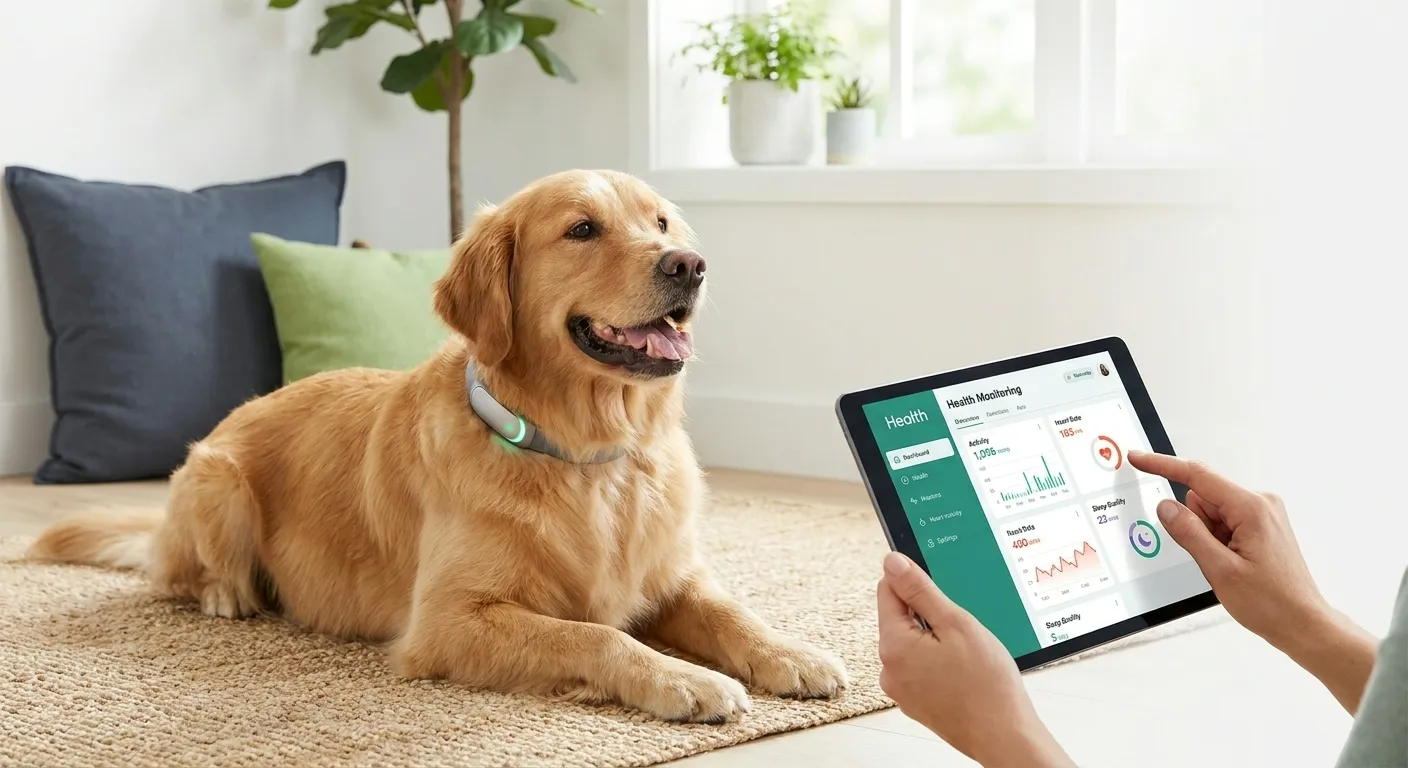
The landscape of pet care is rapidly evolving, driven by technological innovation and a growing emphasis on preventive health. For retriever owners, this means a new era of proactive wellness management, largely powered by AI pet health monitoring. No longer is pet care solely reactive; we’re moving towards a future where technology helps us anticipate needs and detect issues long before they become critical.
The Rise of Smart Pet Technology
The U.S. pet industry is experiencing significant growth, with expenditures projected to reach $165 billion in 2026. A substantial portion of this growth is fueled by advancements in pet technology, particularly those offering data-driven insights. In 2026, AI-driven pet technology is making a significant shift from reactive to predictive care. This means moving beyond simply tracking activity to actually learning your retriever’s unique habits and detecting subtle changes that could signal early signs of illness or discomfort.
How AI Monitors Work for Your Retriever
Imagine a system that continuously observes your retriever’s daily routines – their eating habits, water intake, sleep patterns, and activity levels. AI-powered activity monitors do precisely this. They collect vast amounts of data, which an intelligent algorithm then processes to establish a baseline for your individual dog. This baseline is crucial because every retriever is unique. What’s normal for one active Labrador might be unusual for a more laid-back Golden.
Companies like PETKIT are at the forefront of this innovation, creating integrated health ecosystems. Their smart feeders, water fountains, and even automatic litter boxes (for multi-pet households, though less relevant for pure retriever focus) are interconnected. This allows for a holistic view of your retriever’s health, continuously collecting data on various parameters:
- Urinary Health: Changes in water intake, frequency of urination, or duration can indicate kidney issues, UTIs, or even diabetes.
- Digestive Health: Alterations in eating speed, amount consumed, or frequency of bowel movements can flag digestive upset, allergies, or other gastrointestinal problems.
- Skin and Coat Health: While less directly measured by current AI monitors, overall activity levels and restlessness can sometimes indirectly point to discomfort related to skin irritations.
- Bone and Joint Health: Subtle shifts in gait, reduced activity, or changes in how your retriever rests can be early indicators of joint pain or developing orthopedic issues, particularly relevant for larger breeds prone to hip and elbow dysplasia.
By establishing these health baselines and analyzing long-term changes, AI can alert owners to potential issues before they become visually apparent or cause significant distress to the dog. This allows for timely veterinary intervention, often leading to better outcomes and reduced treatment costs.
The Benefits of AI Pet Health Monitoring for Retrievers
The advantages of incorporating smart pet care devices into your retriever’s routine are numerous. Firstly, early detection is perhaps the most significant benefit. Many health conditions, especially in dogs, can progress silently until they become severe. For instance, subtle changes in a retriever’s movement might be the first sign of developing arthritis, a common ailment in larger breeds. An AI-powered system can detect these minor alterations, prompting you to consult your veterinarian sooner rather than later.
Secondly, these systems provide objective data. As pet owners, we often rely on our observations, which can sometimes be subjective or miss subtle cues. Wearable devices and smart home pet tech offer quantifiable data on activity levels, sleep quality, and even caloric intake. This information can be incredibly valuable for your vet, providing a detailed history that aids in diagnosis and treatment planning. Consequently, this data-driven approach enhances the quality of care your retriever receives.
Moreover, personalized insights are a core aspect of advanced pet health monitoring. Each retriever has a unique personality, metabolism, and activity level. What is normal for a young, energetic Golden Retriever might be unusual for an older, more sedate Labrador. AI algorithms learn your individual dog’s patterns, allowing for truly personalized alerts. This means fewer false alarms and more accurate notifications about potential health concerns. Furthermore, this customization ensures the monitoring is relevant to your specific companion.
Preventive Care and Peace of Mind
Ultimately, the goal of this technology is preventive care. Instead of reacting to an illness, we can proactively manage our retrievers’ health. This can extend their happy, healthy lives and reduce the stress and expense associated with emergency vet visits. Knowing that a system is continuously looking out for your dog’s well-being also offers significant peace of mind. Therefore, you can feel more confident about your retriever’s health.
Consider how smart water fountains track your dog’s daily water consumption. A sudden drop or increase could signal a urinary tract infection or diabetes. Similarly, smart feeders can monitor eating speed and portion control, helping to prevent obesity, a major health concern for many retrievers. These proactive measures contribute significantly to a healthier lifestyle.
Components of an Effective AI Pet Monitoring System
Building a comprehensive pet monitoring system for your retriever typically involves several interconnected devices. Each component plays a vital role in gathering specific health data.
Wearable Activity Trackers
These are perhaps the most common type of smart pet device. Worn on your retriever’s collar, they track activity levels, sleep patterns, and sometimes even heart rate. Many popular brands offer robust activity tracking. For example, some devices can distinguish between different types of activity, like walking, running, or playing, providing a more nuanced understanding of your dog’s daily exercise. Similarly, they can help you ensure your active retriever gets enough physical stimulation, which is crucial for their overall well-being. If you are looking for ways to keep track of your dog, consider ID Tags & GPS Trackers for added security.
Smart Feeders and Water Fountains
These devices are essential for monitoring intake. Smart feeders can dispense precise portions at scheduled times, preventing overeating and helping manage your retriever’s weight. They also record how much food is consumed and at what speed. Smart water fountains, on the other hand, track water intake, which is a critical indicator of hydration and kidney health. Both provide valuable data points for monitoring your retriever’s digestive and urinary systems.
Environmental Sensors
While less directly focused on the pet’s body, environmental sensors can monitor factors like temperature and humidity in your home. Extreme temperatures can affect your retriever’s comfort and health, especially during hot summers or cold winters. Some advanced systems even include cameras with AI capabilities to observe your dog’s behavior when you’re not home, detecting signs of distress or unusual activity. Consequently, these sensors add another layer of insight.
According to a report by Grand View Research, the global pet wearable market size was valued at USD 2.6 billion in 2022 and is expected to grow at a compound annual growth rate (CAGR) of 13.9% from 2023 to 2030. This growth indicates a strong trend towards integrating technology into pet care. Grand View Research provides further details on this market expansion.
Integrating AI Pet Health Monitoring into Your Routine
Adopting an AI-powered monitoring system doesn’t have to be complicated. Many devices are designed for user-friendliness, with intuitive apps that display data clearly and send alerts directly to your smartphone. The key is to choose a system that fits your retriever’s needs and your lifestyle.
Start by identifying your primary concerns. Are you worried about your retriever’s weight? Perhaps a smart feeder is a good first step. Is your dog prone to urinary issues? A smart water fountain could be beneficial. Many companies offer integrated ecosystems, allowing you to gradually build a comprehensive monitoring system. For example, you might begin with an activity tracker and later add a smart feeder. This modular approach makes it easier to get started.
Regularly review the data. While the AI will alert you to significant changes, understanding your retriever’s baseline patterns can help you spot subtle trends. Share this data with your veterinarian during routine check-ups. The objective information can provide a more complete picture of your dog’s health than verbal descriptions alone. Therefore, collaboration with your vet is crucial.
Choosing the Right AI Pet Health Monitoring Device
When selecting devices for AI pet health monitoring, consider several factors. Battery life is important for wearables, as you want minimal disruption to monitoring. Data accuracy and the reliability of the sensors are also paramount. Read reviews and look for products from reputable brands. Furthermore, consider the ease of use of the accompanying app and its ability to integrate with other devices if you plan to expand your system. Naturally, compatibility with your smartphone is also important.
Also, think about your retriever’s comfort. A heavy or bulky collar attachment might not be suitable for all dogs. Prioritize comfort and safety to ensure your retriever will wear the device consistently. Many brands offer different sizes and designs to accommodate various breeds. For instance, some devices are specifically designed to be lightweight and unobtrusive. Ultimately, a comfortable dog is a compliant dog.
The Future of Retriever Wellness with AI
The advancements in AI pet health monitoring are just the beginning. As technology continues to evolve, we can expect even more sophisticated systems. Imagine devices that can perform non-invasive blood sugar monitoring for diabetic dogs or advanced gait analysis to detect orthopedic issues even earlier. The potential for personalized, predictive care is immense.
Furthermore, the integration of AI with veterinary telemedicine could streamline consultations and allow vets to monitor chronic conditions remotely. This could be particularly beneficial for retrievers with ongoing health challenges, enabling more frequent check-ins without the need for constant in-person visits. Consequently, this makes pet care more accessible and efficient.
The emphasis will continue to be on proactive prevention rather than reactive treatment. This shift not only benefits our retrievers by improving their quality of life and longevity but also empowers owners with better information and tools. The future of retriever wellness is bright, with AI playing an increasingly central role in ensuring our beloved companions remain happy and healthy. Therefore, embracing these innovations is a step towards optimal pet care. You can find more information about the pet care industry’s future trends here.
As pet owners, we have a responsibility to provide the best possible care for our animals. Embracing technologies like AI pet health monitoring allows us to fulfill that responsibility in new and powerful ways. It transforms how we understand and respond to our retrievers’ health needs, moving us closer to a world where every dog can thrive. Furthermore, this proactive approach strengthens the bond between owner and pet.
Conclusion
AI pet health monitoring represents a significant leap forward in canine care, particularly for breeds like retrievers. By providing continuous, data-driven insights into our dogs’ health and behavior, these smart technologies enable early detection of potential issues, personalized care strategies, and ultimately, a longer, healthier life for our companions. The shift from reactive to predictive care is transforming how we approach pet wellness, offering both owners and veterinarians powerful tools to ensure our retrievers thrive. As we continue to integrate these innovations, we can look forward to a future where our dogs’ health is managed with unprecedented precision and foresight. In conclusion, this technology is a vital asset for responsible pet ownership. For more general information on pet care and current trends, visit our Blog.
FAQ
What is smart pet health tracking?
Smart pet health tracking involves using technology like wearable devices, smart feeders, and environmental sensors to continuously monitor a pet’s health metrics and behavior. These systems collect data to help owners and veterinarians understand a pet’s well-being and detect potential issues early.
How can artificial intelligence help my dog’s health?
Artificial intelligence helps by analyzing large amounts of data collected from smart pet devices. It establishes a baseline for your dog’s normal behavior and health patterns, then identifies subtle deviations that could signal an emerging health problem, allowing for timely intervention.
What types of data do pet health monitors collect?
Pet health monitors typically collect data on activity levels (steps, play time), sleep patterns, eating habits (food intake, speed), water consumption, and sometimes environmental factors like temperature. More advanced systems might also track heart rate or specific behaviors.
Are these pet monitoring devices suitable for all retriever breeds?
Yes, most pet monitoring devices are designed to be adaptable for various dog sizes and breeds, including all retriever breeds. However, it’s important to choose devices that are comfortable and appropriately sized for your specific dog to ensure consistent use and accurate data collection.
What are the main advantages of using predictive pet care technology?
The main advantages include early detection of illnesses, personalized health insights based on your dog’s unique patterns, objective data for veterinary consultations, and overall peace of mind. This proactive approach can lead to better health outcomes and potentially extend your retriever’s healthy lifespan.