
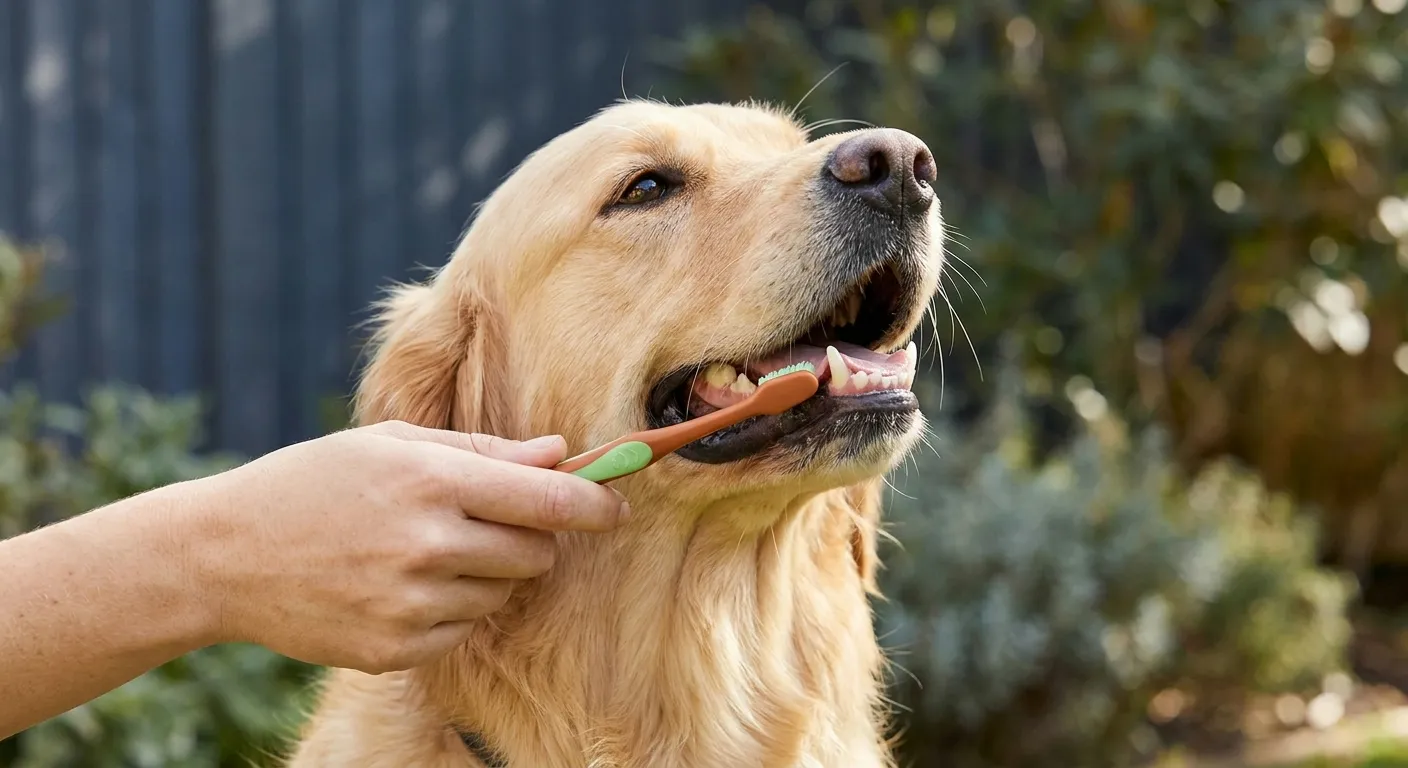
Good oral hygiene is just as important for your retriever as it is for you. Neglecting your dog’s teeth can lead to painful dental diseases, which can impact their overall health and even shorten their lifespan. Establishing a consistent routine for retriever dental care is a crucial part of responsible pet ownership, helping to prevent plaque buildup, gum disease, and other serious issues. Proactive care ensures a healthy mouth and a happy dog, allowing them to enjoy their food and play without discomfort.
The Importance of Regular Retriever Dental Care
Periodontal disease stands as one of the most common health problems in dogs, affecting most by the age of three. It begins with plaque, a sticky film of bacteria, which subsequently hardens into tartar. Tartar then irritates the gums, leading to gingivitis, which is inflammation of the gums. If left untreated, this condition can progress to periodontitis, causing significant pain, tooth loss, and potentially spreading bacteria through the bloodstream to vital organs like the heart, kidneys, and liver. Regular retriever dental care isn’t just about fresh breath; it’s fundamentally about preventing systemic health problems. A healthy mouth contributes significantly to your dog’s quality of life, allowing them to eat comfortably and avoid chronic pain.
Understanding Dental Disease in Retrievers
Retrievers, like many breeds, are susceptible to dental issues. Plaque forms continuously, and within days, it can mineralize into tartar. Tartar then creates a rough surface, which encourages more plaque accumulation. This cycle exacerbates the problem, leading to gum recession and bone loss around the teeth. In addition, bacteria from severe dental disease can enter the bloodstream and travel to other parts of the body, causing serious infections in the heart, liver, and kidneys. Therefore, understanding the progression of dental disease is vital for effective prevention and treatment.
Practical Steps for At-Home Dental Hygiene
Maintaining your retriever’s oral health at home is a cornerstone of preventing dental disease. Consistency and patience are key, especially when introducing new routines. By establishing these practices early, you can significantly reduce the risk of future problems.
Brushing Your Retriever’s Teeth
The gold standard for dental care is daily tooth brushing. Use a dog-specific toothbrush and toothpaste; never use human toothpaste, as it contains ingredients toxic to dogs, such as xylitol. Start slowly, introducing the brush and paste gradually. Many owners find it helpful to let their dog lick the toothpaste off their finger first. Focus on the outside surfaces of the teeth, where plaque tends to accumulate most. Consistency is key, even if you can only manage a minute or two each day. Gradually increase the duration as your dog becomes more comfortable with the process. Furthermore, positive reinforcement with treats and praise will make the experience more enjoyable for your retriever.
Effective Dental Chews and Toys
Incorporate vet-approved dental chews or toys designed to help reduce plaque and tartar buildup. These can be a beneficial supplement to brushing but are not a substitute for it. Choose appropriate sizes for your retriever to prevent choking hazards and ensure effective cleaning. Always monitor your dog to ensure safe chewing and discard any chews that become too small or damaged. For example, some specialized chew toys are designed with textures that help scrape away plaque. Always consult your veterinarian for recommendations on the best dental products for your specific dog.
The Role of Diet in Oral Health
Some specialized dental diets have a unique kibble texture that helps scrape plaque off teeth as your dog chews. These diets are specifically formulated to reduce plaque and tartar accumulation through mechanical action. Discuss these options with your veterinarian, as they can provide tailored advice based on your retriever’s overall health and dietary needs. Moreover, certain additives in dental diets can help prevent plaque mineralization. A balanced diet also supports overall health, which indirectly contributes to better oral health.
Professional Veterinary Dental Care
Even with diligent at-home care, professional veterinary attention is often necessary to maintain optimal oral health. These visits allow for thorough examinations and treatments that cannot be performed at home.
Regular Veterinary Check-ups and Cleanings
During annual check-ups, your vet will thoroughly examine your retriever’s teeth and gums. They will assess for signs of plaque, tartar, gingivitis, and any other abnormalities. Professional dental cleanings, performed under anesthesia, are often necessary to remove tartar below the gum line and address any existing dental disease. Anesthesia allows for a comprehensive and safe cleaning, including scaling and polishing of all tooth surfaces. Your vet can advise on the frequency of these cleanings based on your dog’s individual needs, breed predisposition, and the effectiveness of your at-home retriever dental care routine. For further information on veterinary dental procedures, you can visit the American Veterinary Medical Association website.
Understanding Anesthesia for Dental Procedures
Many owners express concerns about anesthesia. However, modern veterinary anesthesia protocols are very safe. Before any procedure, your vet will conduct a thorough physical examination and often blood tests to ensure your retriever is a suitable candidate. During the procedure, your dog’s vital signs are carefully monitored by trained staff. The benefits of a professional dental cleaning, which includes addressing hidden pain and infection, far outweigh the minimal risks associated with anesthesia. This aspect of retriever dental care is crucial for long-term health.
Recognizing Signs of Dental Problems
As a responsible retriever owner, it’s important to be aware of the signs that might indicate your dog is experiencing dental pain or disease. Early detection can prevent more serious complications.
Common Symptoms to Watch For
- Bad Breath (Halitosis): This is often the first sign of dental disease.
- Red, Swollen, or Bleeding Gums: Indicates gingivitis or more advanced periodontal disease.
- Difficulty Eating or Dropping Food: Pain can make chewing uncomfortable.
- Pawing at the Mouth or Face Rubbing: Your dog might be trying to alleviate discomfort.
- Excessive Drooling: Can be a sign of pain or irritation in the mouth.
- Visible Tartar Buildup: Brown or yellow deposits on the teeth.
- Loose or Missing Teeth: A sign of advanced periodontal disease.
- Changes in Behavior: Lethargy or irritability due to chronic pain.
If you notice any of these symptoms, it’s essential to schedule a veterinary examination promptly. Early intervention for your retriever’s oral health can make a significant difference in their comfort and prognosis. Furthermore, proactive observation is a key component of effective retriever dental care.
Advanced Dental Treatments and Prevention
Beyond routine cleanings, there are several advanced treatments and preventative measures available to manage and prevent severe dental disease. These options underscore the comprehensive nature of modern veterinary dentistry.
Treatments for Advanced Periodontal Disease
If periodontal disease is severe, your veterinarian may recommend more advanced treatments. These can include extractions of severely diseased teeth, root canal therapy, or even periodontal surgery to save affected teeth. These procedures aim to eliminate sources of infection and pain, improving your retriever’s quality of life. Following these treatments, a strict at-home retriever dental care routine becomes even more critical to prevent recurrence.
The Role of Water Additives and Oral Rinses
Some pet owners opt for dental water additives or oral rinses as an additional layer of protection. These products typically contain ingredients that help reduce bacteria in the mouth and prevent plaque formation. While they can be beneficial, they are generally considered supplementary and do not replace brushing or professional cleanings. Always choose products that are specifically formulated for dogs and approved by veterinary dental organizations. For example, some products carry the Veterinary Oral Health Council (VOHC) seal of acceptance, indicating they meet certain standards for plaque and tartar control. This is another facet of comprehensive retriever dental care.
Building a Lifelong Dental Care Routine for Your Retriever
Establishing a consistent and comprehensive dental care routine from puppyhood is the best approach for your retriever’s long-term oral health. Early habits lead to lifelong benefits.
Starting Early with Puppies
Begin introducing dental care concepts to your retriever puppy as early as possible. Gentle handling of their mouth, finger brushing with puppy toothpaste, and providing appropriate chew toys can help them become accustomed to the process. This early exposure makes future brushing and veterinary examinations much easier. Positive reinforcement is crucial during this foundational stage. Moreover, early dental care helps prevent the accumulation of plaque and tartar even before adult teeth fully emerge.
Consistency and Patience are Key
Dental care is an ongoing commitment. Consistency in brushing, regular provision of dental chews, and adherence to veterinary recommendations are paramount. If your retriever resists brushing, start with short sessions and gradually increase the duration. Reward them generously for cooperation. Remember, every little bit helps in maintaining good oral hygiene. Patience and a positive attitude will make the experience better for both you and your dog. This consistent effort forms the backbone of effective retriever dental care.
By committing to these steps, you can ensure your retriever receives excellent retriever dental care, protecting their oral health and contributing significantly to their long-term well-being. A healthy mouth means a happier, more comfortable dog, ready to enjoy every aspect of their life with you. Prioritizing their dental health is an act of love and responsible pet ownership.
Conclusion
The importance of diligent retriever dental care cannot be overstated. From daily brushing and appropriate dental chews to specialized diets and regular professional cleanings, each component plays a vital role in preventing painful and potentially life-threatening dental diseases. By understanding the risks, recognizing the signs of problems, and implementing a consistent care routine, you are actively investing in your retriever’s overall health and happiness. A healthy mouth directly contributes to a better quality of life, allowing your beloved companion to eat, play, and thrive without discomfort. Prioritize their oral hygiene, and you’ll be rewarded with a vibrant and healthy retriever for years to come. Ultimately, responsible pet ownership includes a strong commitment to their dental well-being.
FAQ Section
What are the first signs of dental problems in retrievers?
The first signs often include bad breath, red or swollen gums, and yellow or brown tartar buildup on the teeth. You might also notice your retriever showing reluctance to eat hard kibble or pawing at their mouth.
How often should I brush my retriever’s teeth?
Ideally, you should brush your retriever’s teeth daily. If daily brushing isn’t feasible, aiming for at least three times a week can still provide significant benefits in preventing plaque and tartar accumulation.
Are dental chews enough for dog oral hygiene?
While dental chews can be a helpful supplement to reduce plaque and tartar, they are generally not enough on their own. They work best when combined with regular tooth brushing and professional veterinary cleanings to ensure comprehensive oral hygiene.
What kind of toothpaste should I use for my dog?
Always use toothpaste specifically formulated for dogs. Human toothpaste contains ingredients like fluoride and xylitol, which are toxic to dogs if swallowed. Dog toothpastes come in flavors appealing to canines, such as poultry or beef.
How often do retrievers need professional dental cleanings?
The frequency of professional dental cleanings varies depending on your retriever’s individual needs, breed predisposition, and the effectiveness of their at-home care. Your veterinarian will assess their oral health during annual check-ups and recommend a cleaning schedule, often annually or every two years.
Can poor oral health affect my retriever’s overall health?
Absolutely. Poor oral health can lead to periodontal disease, which allows bacteria to enter the bloodstream. These bacteria can then travel to vital organs like the heart, kidneys, and liver, causing serious systemic infections and negatively impacting your dog’s overall health and lifespan.