
Separation anxiety is a common and distressing issue for many dog owners, particularly those with highly social breeds like Retrievers. These intelligent and affectionate dogs often form strong bonds with their families, making the prospect of being left alone a source of significant stress. Fortunately, understanding how to prevent retriever separation anxiety through early intervention can make a profound difference, setting your dog up for a lifetime of confidence and calm when you’re away. Proactive training, started during puppyhood, is key to teaching your Retriever that alone time can be a positive, relaxing experience.
Understanding Retriever Separation Anxiety
Retrievers, known for their loyalty and companionable nature, are particularly prone to developing separation anxiety. This isn’t merely a behavioral quirk; it’s a genuine panic response to being left alone. Symptoms can range from mild distress to severe panic, often manifesting as destructive chewing, incessant barking, howling, inappropriate urination or defecation, and even self-harm. Recognizing these signs early is crucial for effective intervention. Many owners might misinterpret these behaviors as spite or poor training, but in reality, they are often cries for help from an anxious dog.
The root cause often lies in a dog’s inability to cope with solitude. For example, some dogs might have had previous experiences of abandonment, while others simply haven’t learned to self-soothe. Therefore, the goal of early intervention is to equip your Retriever with the emotional tools needed to feel secure, even when you’re not physically present. This foundation is laid during puppyhood, making it easier to manage and prevent retriever separation anxiety as they mature.
Starting Early: Puppyhood and Beyond
The most opportune time to begin addressing potential separation anxiety is during puppyhood. Puppies are highly impressionable; consequently, their early experiences shape their adult behavior. Introducing alone time positively from a young age helps build resilience. Even if you’ve adopted an older Retriever, it’s never too late to implement these strategies, although the process might require more patience and consistency. The key is to create a predictable and safe environment where your dog learns that your departures are temporary and always followed by your return.
Furthermore, early socialization plays a significant role. Exposing your puppy to various sights, sounds, people, and other dogs in a controlled manner helps them develop into well-adjusted adults. A dog comfortable with the world around them is generally more confident and less likely to panic when faced with novel situations, including your absence. Building this robust emotional framework is fundamental to successfully prevent retriever separation anxiety.
Gradual Departures to Prevent Retriever Separation Anxiety
One of the most effective strategies is to introduce alone time gradually and positively. Begin by leaving your Retriever puppy alone for very short periods, literally just a few seconds, then returning before they show any signs of distress. As they remain calm, slowly extend these periods. The goal is for your puppy to never experience intense anxiety when you leave. Practice “mock departures” – grab your keys, put on your coat, but don’t actually leave. This desensitizes them to your departure cues, making the actual leaving less of a trigger. Always keep your greetings and goodbyes low-key to avoid building up excitement around your comings and goings.
For instance, if your dog gets excited every time you pick up your car keys, practice picking them up multiple times a day without leaving. This helps to break the association between the keys and your departure. Similarly, put on your shoes or jacket, then sit back down. Repeat this process until your Retriever barely notices these actions. This method teaches your dog that these cues don’t always mean you are leaving, thereby reducing their anxiety response. Moreover, it’s vital to ensure your dog is genuinely relaxed during these short absences before increasing the duration.
Building Independence with Routine and Enrichment
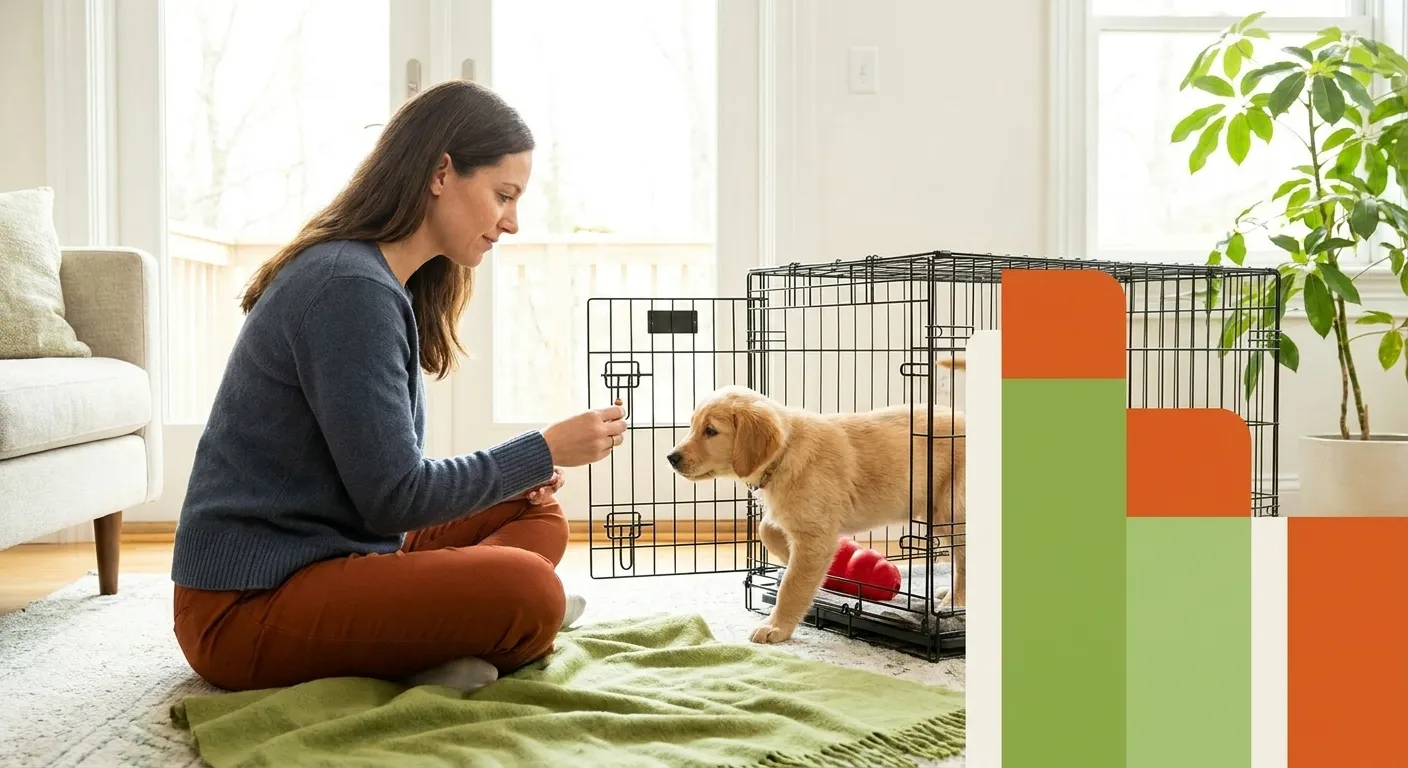
Beyond gradual departures, fostering independence is vital. Crate training, when done correctly, can be an invaluable tool. A properly introduced crate becomes a safe, comfortable den where your Retriever feels secure. Provide engaging chew toys or puzzle feeders specifically for alone time; these high-value distractions create positive associations with your absence. Establish a consistent daily routine that includes plenty of physical exercise and mental stimulation before you leave. A tired dog is more likely to settle down and rest. Ensure your Retriever has access to fresh water and a comfortable resting spot. Consistency in your routine and creating a stimulating environment helps build a resilient and independent companion. If you observe persistent signs of anxiety, consulting with a certified professional dog trainer or veterinary behaviorist can provide tailored guidance.
Furthermore, consider using interactive toys that dispense treats or require problem-solving. These can keep your Retriever mentally engaged and distracted for extended periods. Another useful tip is to vary your departure routine slightly. Sometimes leave through the back door, other times through the front. This prevents your dog from fixating on a single set of cues. Consequently, this helps to further reduce the predictability of your departure, making it less of a trigger for anxiety. Remember, the goal is to make alone time a normal, non-eventful part of your dog’s day.
Creating a Safe and Soothing Environment
The environment you leave your Retriever in plays a crucial role in their comfort level. A quiet, comfortable space where they feel secure is paramount. This might be a designated room, a crate, or a specific area of your home. Ensure the temperature is comfortable and there are no loud, sudden noises that could startle them. Some owners find that leaving on a radio or television at a low volume can provide background noise, which can be soothing and mask external sounds. This is often referred to as