
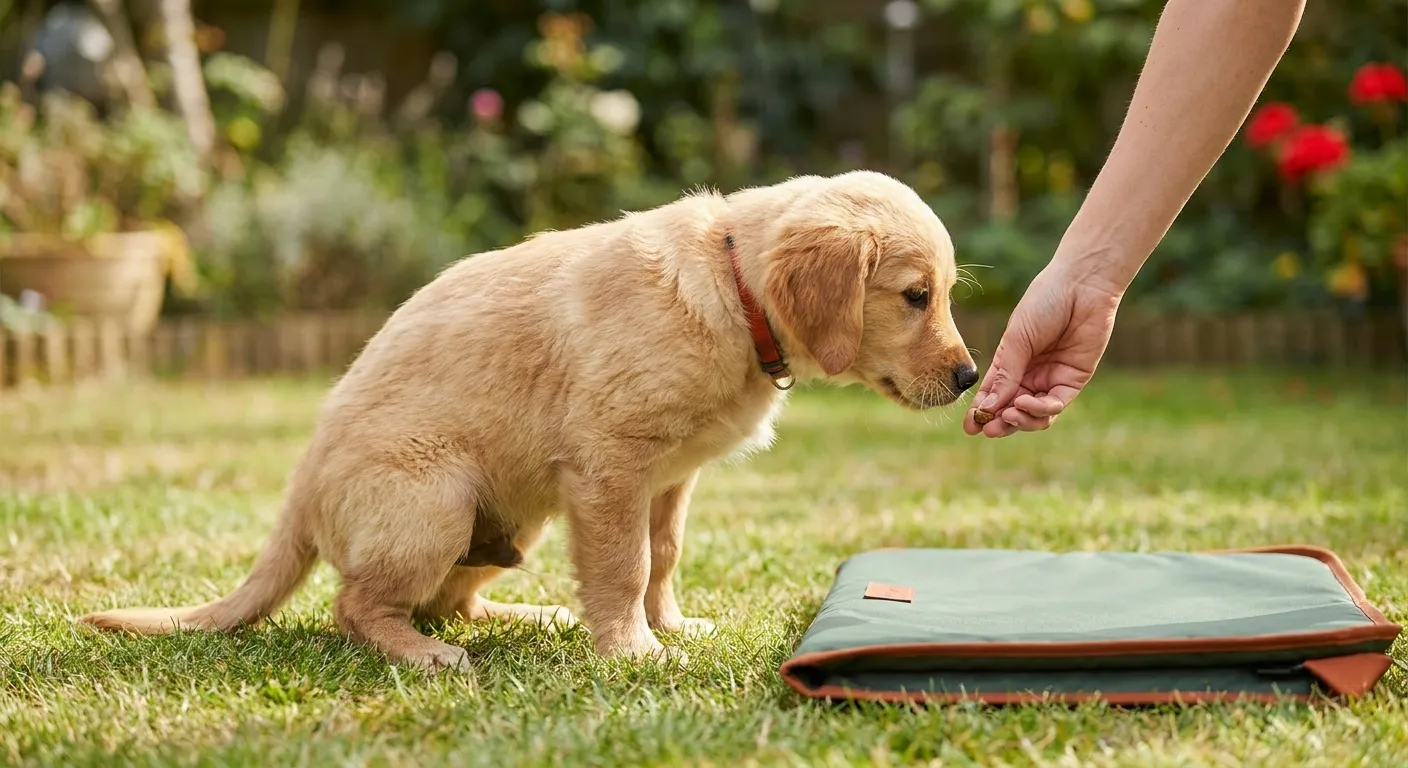
Starting retriever puppy potty training effectively is one of the most crucial steps for any new owner, laying the groundwork for a harmonious life together. For ‘First-Time Frankie’s’ navigating the exhilarating, yet sometimes messy, world of puppy ownership, understanding the nuances of your retriever’s development is paramount. Recent breakthroughs in canine genetics offer fascinating insights into how our retrievers learn and respond, which can significantly enhance our training methods.
Understanding Your Retriever Puppy’s Trainability
Groundbreaking research from the University of Cambridge in November 2025 has illuminated specific genetic links to canine behavior, particularly in golden retrievers. This study identified that genes like ROMO1 are associated with ‘trainability’ and emotional sensitivity. This suggests that your retriever puppy’s capacity to learn, including potty training, isn’t just about repetition; it’s also deeply connected to their emotional state and how they process information. Recognizing this emotional component means approaching training with even greater patience, positive reinforcement, and understanding. When your retriever feels secure and understood, they are far more receptive to learning new commands and routines.
The Potty Training Blueprint: Step-by-Step
Consistency is the cornerstone of successful potty training. Retrievers thrive on routine, and establishing a predictable schedule from day one will set your puppy up for success.
Crate Training for Potty Success
Crate training is an invaluable tool for house-training. Dogs naturally avoid soiling their sleeping area, making a properly sized crate an excellent aid. Introduce the crate positively with treats and toys. Your puppy should be able to stand, turn around, and lie down comfortably, but not have excessive space to use one end as a bathroom.
Recognizing Potty Signals
Pay close attention to your puppy’s cues. Common signs include sniffing around, circling, whining, or heading towards the door. The moment you see these signals, calmly take your puppy outside to their designated potty spot.
Establishing a Potty Schedule:
- First thing in the morning: Immediately upon waking.
- After every nap: Puppies often need to go after resting.
- After playing: Excitement can stimulate their bladder.
- After eating and drinking: Usually within 5-30 minutes.
- Before bedtime: One last trip out.
- Every 1-2 hours: For very young puppies, especially.
Always accompany your puppy outside, and once they relieve themselves, offer immediate praise and a small, high-value treat. This positive association reinforces the desired behavior.
Common Potty Training Challenges (and How to Overcome Them)
Even with the best intentions, accidents happen. The key is how you react. Never punish your puppy for accidents; this can lead to fear and secrecy, making future house-training much harder. Instead, calmly clean up the mess with an enzymatic cleaner to eliminate odors that might attract your puppy back to the same spot. If you catch your puppy in the act indoors, interrupt them with a clap or a gentle
Related reading: