
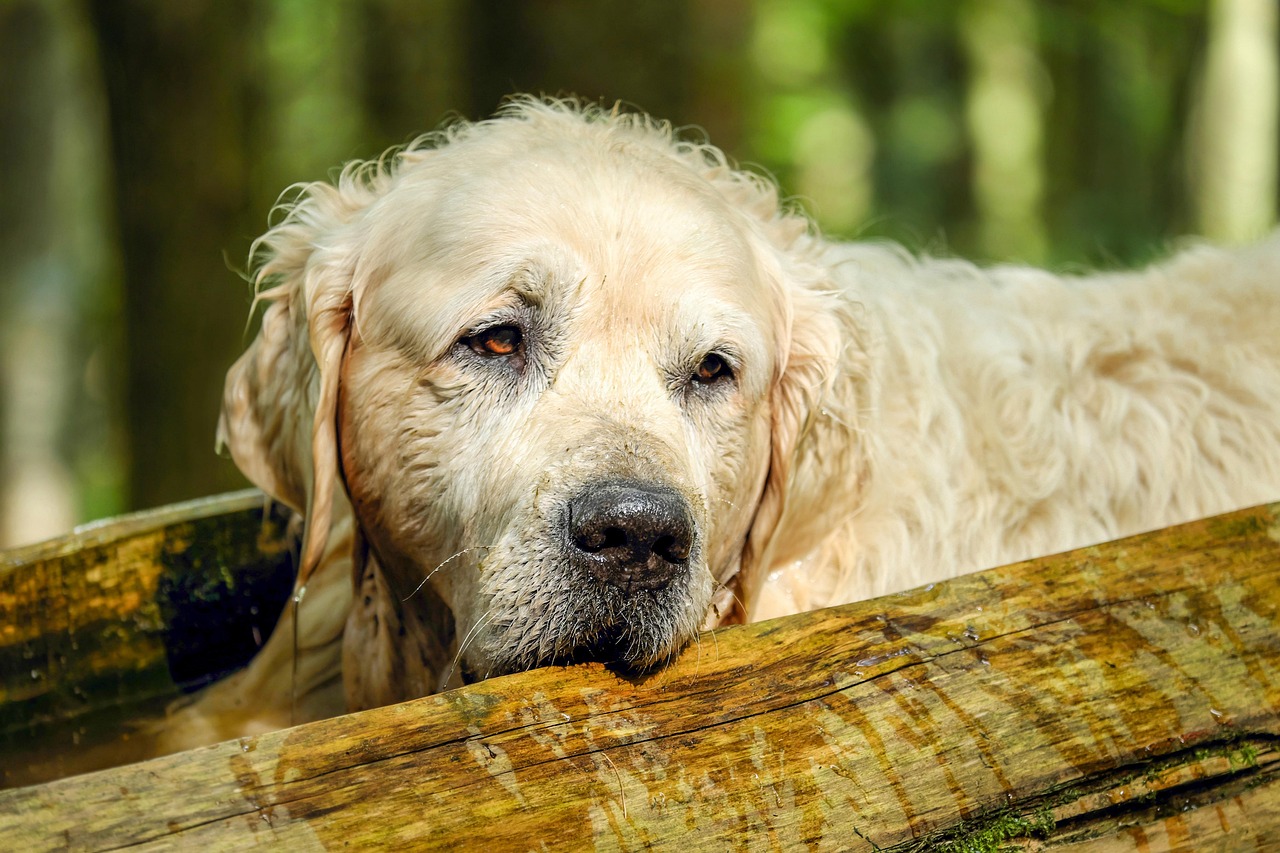
Mastering Leash Training with Your Golden Retriever
Golden Retrievers are known for their friendly and playful nature, making them one of the most popular dog breeds around the world. However, they can be strong and energetic, which can make leash training a bit challenging. In this article, we will discuss how you can effectively leash train your Golden Retriever, ensuring a pleasant walking experience for both you and your furry friend.
Understanding the Importance of Leash Training
Leash training is essential for the safety of your Golden Retriever and those around you. It helps to prevent your dog from running off, chasing after other animals, or getting into potentially dangerous situations. Additionally, leash training can help you establish leadership and communication with your dog, creating a stronger bond between you and your furry companion.
Getting Started with Leash Training
Before you start leash training your Golden Retriever, make sure you have the right equipment. Choose a sturdy leash that is comfortable for both you and your dog. A standard leash length of 6 feet is recommended, as it provides enough room for your dog to explore while still keeping them under your control.
When it comes to collars, a flat collar or a martingale collar is usually recommended for Golden Retrievers. Avoid using choke collars or prong collars, as they can be harmful and may cause discomfort to your dog.
Basic Leash Training Techniques
1. Start indoors: Before taking your Golden Retriever outside for a walk, practice leash training indoors. Attach the leash to your dog’s collar and allow them to walk around with you. Use treats and positive reinforcement to encourage good behavior.
2. Teach basic commands: It’s crucial to teach your Golden Retriever basic commands such as “sit,” “stay,” and “heel” before venturing outside. Practice these commands indoors and gradually move to outdoor environments.
3. Start slow: When you’re ready to take your Golden Retriever outside for a walk, start slow. Allow your dog to get used to the sights and sounds of the outdoors before progressing to longer walks.
4. Be patient: Leash training takes time and patience. Don’t rush the process and allow your dog to get comfortable with the leash at their own pace.
Common Challenges and Solutions
1. Pulling on the leash: Golden Retrievers are energetic dogs and may tend to pull on the leash during walks. To address this issue, stop walking if your dog starts pulling and only resume walking when they relax and walk calmly by your side.
2. Reacting to distractions: Golden Retrievers are curious by nature and may get distracted by other animals, people, or objects during walks. Use treats and positive reinforcement to redirect your dog’s attention back to you.
3. Fear or anxiety: Some Golden Retrievers may exhibit fear or anxiety when on a leash. If your dog shows signs of fear, such as cowering or whining, take a step back and gradually introduce the leash in a positive way.
Advanced Leash Training Techniques
Once your Golden Retriever has mastered the basic leash training techniques, you can move on to more advanced training methods to enhance their walking experience.
1. Off-leash training: Once your dog has proven to be reliable on the leash, you can start practicing off-leash training in a safe and enclosed environment. Use positive reinforcement to encourage good behavior and maintain control over your dog.
2. Clicker training: Clicker training is a popular training method that uses a clicker to mark desired behaviors. Pair the clicker sound with treats to reinforce positive behaviors during walks.
3. Distance training: Practice walking your Golden Retriever at different distances and speeds to improve their obedience and control. Use treats and praise to reward good behavior and maintain consistency in your training routine.
Conclusion
Leash training is an essential skill that all dog owners should invest time and effort into mastering. With patience, consistency, and positive reinforcement, you can successfully leash train your Golden Retriever and enjoy stress-free walks together. Remember to always prioritize your dog’s safety and well-being during training sessions, and don’t hesitate to seek professional help if needed. Happy walking!